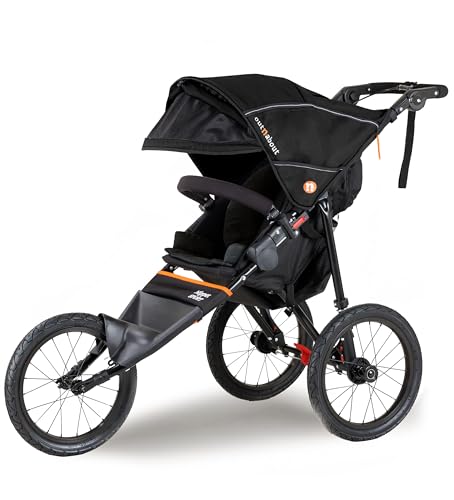
Exploring the Versatility of Three-Wheel Buggies
When it concerns mobility, three-wheel buggies have actually taken their specific niche in a world dominated by basic four-wheeled options. These special automobiles integrate functionality with intrigue, appealing to a broad series of users, consisting of families, outdoor lovers, and individuals with specific mobility needs. This post looks into the many elements of three-wheel buggies, highlighting their benefits, features, types, and even answering some typically asked concerns.
Understanding the Three-Wheel Buggy
Three-wheel buggies, frequently referred to as trikes or tricycles, come equipped with a single front wheel and two rear wheels. This style uses boosted stability and maneuverability, making them an enticing option for numerous applications. These buggies are versatile, catering to both recreational and practical usages, from transferring children in a safe and satisfying way to working as sturdy companions on rugged terrains.
Key Features of Three-Wheel Buggies
The attraction of three-wheel buggies depends on their exceptional style and practical functions. Here is a table summing up the crucial features of these buggies:
| Feature | Description |
|---|---|
| Stability | The large wheelbase provides remarkable balance on irregular surfaces. |
| Maneuverability | Easier to browse tight spaces compared to conventional four-wheelers. |
| Storage Options | Many models feature baskets or compartments for bring products. |
| Safety Features | Equipped with safety belt, reflectors, and even headrests for added security. |
| Customization | Users can find a series of add-ons like canopies, storage compartments, and back-rests. |
| Surface Compatibility | Appropriate for sandy beaches, unequal tracks, and even city streets. |
| User-Friendly Design | The open style permits easy entry and exit, making it perfect for different movement levels. |
The Benefits of Using a Three-Wheel Buggy
Three-wheel buggies present a variety of benefits that make them a go-to choice for lots of users. Below is a list of the substantial benefits:
- Enhanced Stability: The design of three-wheelers ensures better stability, lowering the threat of tip-overs whether on flat surface areas or unequal surfaces.
- Easy Handling: Thanks to their lightweight construction, these buggies are easy to navigate, making them excellent for city driving or navigating through parks.
- Increased Comfort: Many buggies are developed with comfy seating and ergonomic features, making sure a pleasant experience for passengers and chauffeurs alike.
- Eco-Friendly Option: Pedal-powered buggies provide a sustainable option to automobile, promoting workout and decreasing carbon footprints.
- Family-Friendly: With choices to securely transport several passengers, three-wheel buggies are a practical option for household trips.
Kinds Of Three-Wheel Buggies
Three-wheel buggies come in various types customized to meet the needs of different users. Here's a quick introduction of some popular types:
| Type | Ideal For |
|---|---|
| Leisure Trikes | Households and casual riders searching for leisure. |
| Cargo Trikes | Companies or customers requiring to transport items. |
| Adaptive Trikes | People with impairments who need specialized features. |
| Electric Trikes | Those looking for a powered alternative for easier navigation. |
| Folding Trikes | Users with limited storage area looking for convenience. |
Real-World Applications of Three-Wheel Buggies
The adaptability of three-wheel buggies extends across different domains, often customized to the requirements of particular user bases. Here are some real-world applications:
- Family Outings: Perfect for a day in the park, three-wheel buggies can securely transfer children while allowing parents to take pleasure in the trip.
- Shipment Services: Small companies typically utilize cargo trikes for environmentally friendly regional deliveries, benefiting from their maneuverability in urban environments.
- Rehab and Therapy: Adaptive trikes are commonly utilized in treatment settings to help people with movement challenges, promoting physical activity.
- Biking Events: Enthusiasts take part in cycling occasions using electric trikes, delighting in the excitement while taking advantage of assistive technology.
- Rural Exploration: Adventurers and explorers require to rugged routes on tough three-wheel buggies, delighting in the difficulties of nature in style.
Frequently Asked Questions About Three-Wheel Buggies
1. What is the weight limitation for three-wheel buggies?
- A lot of three-wheel buggies have a weight limitation ranging from 200 to 400 pounds. Nevertheless, it is best to check particular models for accurate limits.
2. Are three-wheel buggies safe for children?
- Yes, many designs come equipped with safety features, consisting of seat belts and canopies, ensuring security for younger riders.
3. Do three-wheel buggies need a license to operate?
- Usually, non-motorized three-wheel buggies do not require a license. Nevertheless, it is recommended to check local policies for particular requirements.
4. Can three-wheel buggies be tailored?
- Definitely! pushchairsandprams use a variety of customization choices for comfort and performance, consisting of different seating plans and storage services.
5. Are electric three-wheel buggies available?
- Yes, there are numerous designs of electrical three-wheel buggies readily available, providing ease of usage and extended variety for users.
Three-wheel buggies are more than simply wacky options; they are practical and practical cars that deal with a broad audience. Their stability, easy handling, and many applications make them perfect for households, businesses, and people with diverse mobility requirements. As more individuals accept the flexibility of these unique vehicles, the future of transportation continues to evolve, welcoming the environment-friendly spirit of performance and sustainability. Whether for fun, business, or ease of access, there's a three-wheel buggy matched to satisfy the demands of every rider.